Your yard is one of the most underutilized spaces in your home. With the right project, it can become a place where you actually want to spend time—whether that’s hosting summer dinners, letting the kids run free, or simply unwinding after a long day.
Why Improving Your Outdoor Space Is Worth It
The most obvious reason to invest in your yard is enjoyment. A well-designed outdoor space extends your living area, gives you a place to entertain, and adds a sense of calm that’s hard to find indoors.
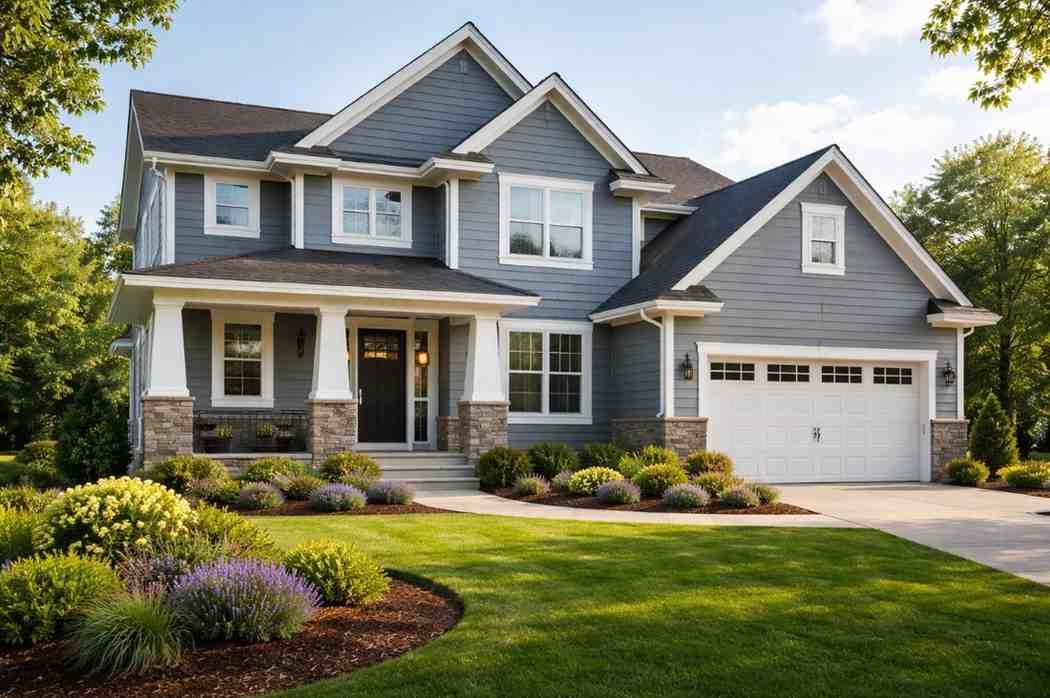
But the financial case is just as strong. Outdoor improvements consistently rank among the highest-return home improvement projects. A well-built deck or patio can recoup a significant portion of its cost at resale, and landscaping upgrades can boost curb appeal in ways that matter to buyers.
There are practical benefits, too. Strategic planting can reduce cooling costs by shading your home. Permeable paving can manage stormwater runoff. A well-planned yard can even reduce maintenance over time by replacing high-maintenance lawn areas with hardscaping or low-water plants.
The key is approaching the project with intention—knowing what you want, what’s realistic, and what will actually add value to your life and your property.
Plan Before You Pick Up a Shovel
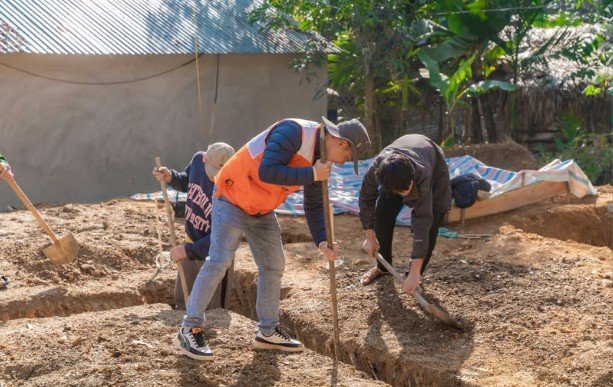
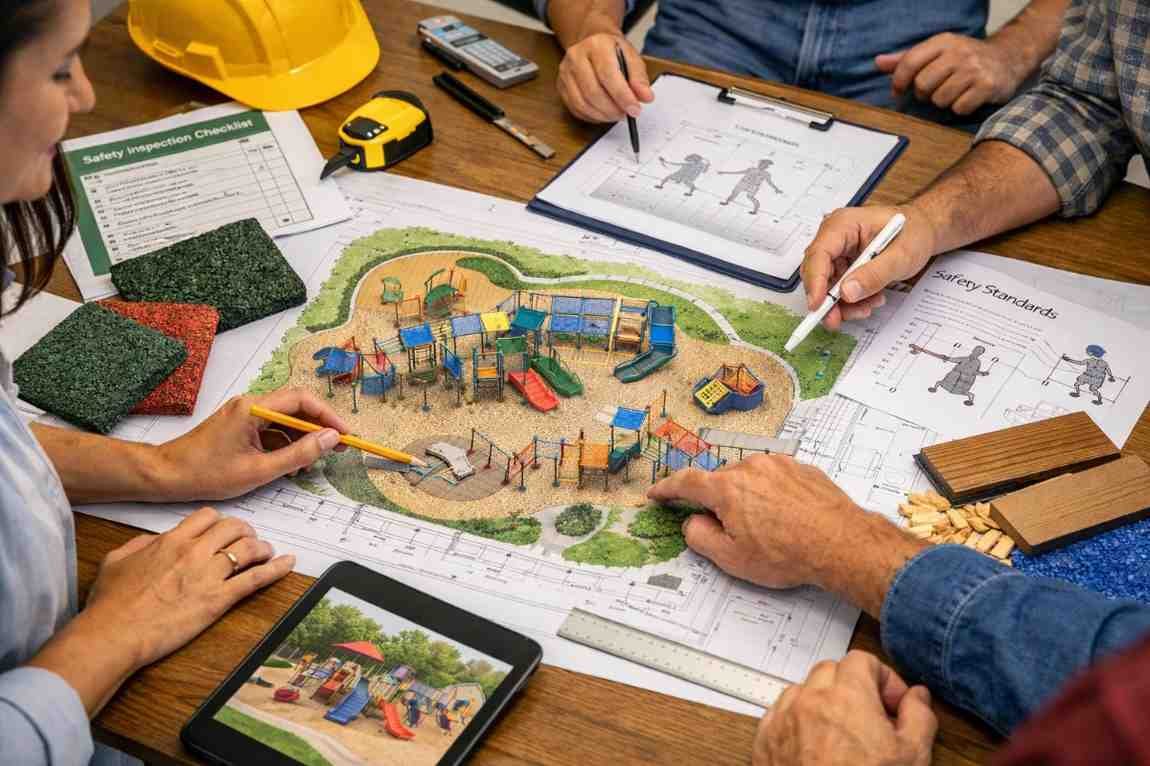
Good outdoor projects start long before anyone sets foot in a hardware store. A little planning upfront can save a lot of headaches down the road.
Define Your Goals
Start by asking what you actually want from the space. A family with young children has very different needs from a couple who loves to host dinner parties. Think about how you’ll use the space day-to-day, not just on ideal occasions. That clarity will shape every decision that follows.
Check Local Permit Requirements
This step gets skipped more often than it should. Many outdoor projects—especially decks, pools, and structures over a certain size—require permits from your local municipality. Building without one can result in fines, forced removal, or complications when you sell the home.
Requirements vary widely by location, so check with your local building department early. Some projects may also need to comply with HOA rules, zoning regulations, or setback requirements that dictate how close a structure can be to property lines or neighboring homes.
Consider Utilities and Site Conditions
Before any digging begins, contact your local utility-marking service to identify underground lines. Beyond that, assess your yard’s slope, drainage patterns, and sun exposure. These factors will influence what’s feasible and where structures or plants should be placed.
Choosing Materials That Will Last
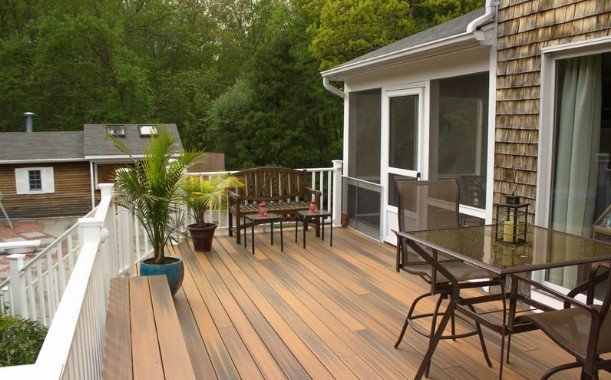
Material selection is one of the most consequential decisions you’ll make. The right choice depends on your climate, how much maintenance you’re willing to do, and the overall aesthetic you’re going for.
Wood
Natural wood—cedar, redwood, and pressure-treated pine are common choices—offers warmth and a classic look. The tradeoff is maintenance. Wood needs to be sealed, stained, or painted regularly to resist moisture, UV damage, and insects. In wet or humid climates, that upkeep requirement is even higher.
Composite Decking
Composite materials, typically made from a blend of wood fibers and recycled plastic, have become increasingly popular. They resist rot, fading, and splintering without the intensive upkeep of natural wood. The higher upfront cost is often offset by lower long-term maintenance expenses.
Stone, Concrete, and Pavers
For patios and pathways, stone, concrete, and pavers offer durability and design flexibility. Natural stone (like bluestone or flagstone) has a timeless appeal but comes at a premium. Concrete pavers are more affordable and come in a wide range of styles. Poured concrete is durable and low-maintenance but can crack over time, especially in climates with significant freeze-thaw cycles.
Plants and Landscaping Materials
For the green elements of your yard, choose plants suited to your local climate and soil conditions. Native plants generally require less water and care than exotic varieties. For mulch, gravel, or ground cover, consider how each will perform across seasons and how often they’ll need to be replenished.
Popular Outdoor Projects to Consider
Once you have a sense of your goals and materials, it’s time to look at specific projects. Here are some of the most popular options—and what each one involves.
Decks
A deck is one of the most versatile outdoor additions you can make. It creates a defined space for dining, lounging, or entertaining and works well even on sloped lots where a ground-level patio isn’t practical. Costs vary significantly based on size, materials, and complexity. A simple pressure-treated wood deck is one of the more budget-friendly options; composite or hardwood decks cost more but require less upkeep.
Patios
Patios sit at ground level and are typically built with concrete, pavers, or natural stone. They’re well-suited for flat yards and can be designed to connect directly to the home or stand as a separate area in the yard. Patios tend to be more durable than decks and require less structural maintenance, though settling or cracking can occur over time, depending on the ground conditions.
Pools
A pool transforms a backyard entirely. It creates a focal point, adds recreational value, and—in the right market—can boost resale appeal. Custom pools in Utah allow you to tailor the shape, depth, and features (like heating systems, water features, or integrated lighting) to your specific space and preferences.
That said, pools are a major investment. Beyond installation costs, factor in ongoing expenses for chemicals, filtration, cleaning, and energy. Insurance premiums may also increase. And in colder climates, winterizing and reopening the pool each year adds to the workload. Go in with clear expectations, and the rewards can be well worth it.
Landscaping
Landscaping ties everything together. Thoughtful plantings, defined garden beds, lighting, and hardscaping can dramatically improve how the entire yard looks and functions. Even modest landscaping updates—a well-placed tree, a border of native perennials, a gravel pathway—can make a yard feel intentional and inviting.
Budgeting and Deciding Who Does the Work

Outdoor projects can range from a few hundred dollars to well into six figures, so having a realistic budget before you commit is essential.
How to Estimate Costs
Get multiple quotes for any work you’re not doing yourself. Prices vary between contractors, and understanding the range will help you spot outliers on both ends. Factor in not just materials and labor, but also permits, site preparation, and contingency funds for unexpected issues—10 to 15 percent of the total budget is a reasonable buffer.
DIY vs. Hiring a Professional
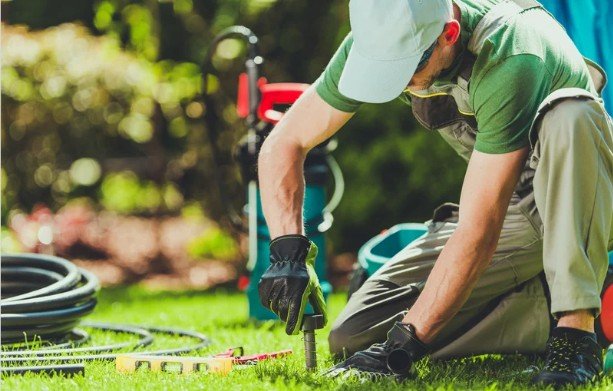
Smaller, lower-stakes projects—planting, painting a fence, laying simple pavers—are often good candidates for DIY and make ideal weekend yard projects. The savings can be meaningful, and the work is manageable for someone with basic skills and time.
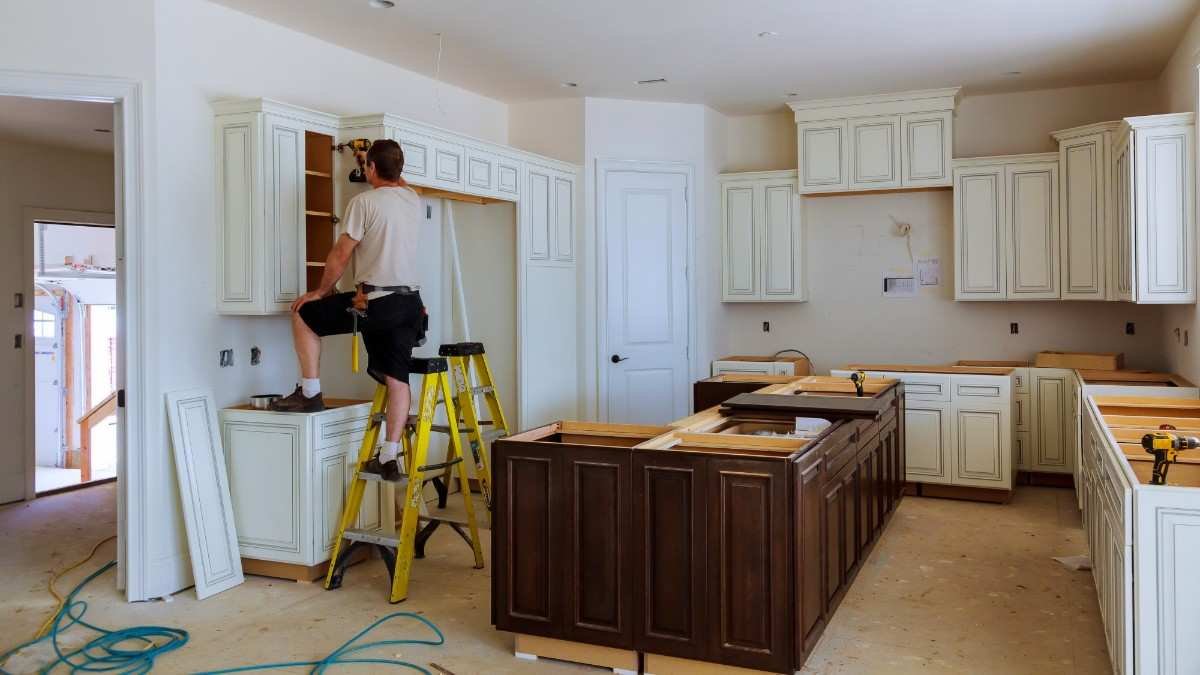
Larger or more technical projects are a different story. Decks need to be structurally sound. Pool installations involve plumbing, electrical work, and compliance with safety codes. Mistakes in these areas can be costly, dangerous, or both. When the stakes are high, professional help is usually the smarter investment.
A good rule of thumb: DIY when the consequences of error are minor and recoverable. Hire a professional when they’re not.
Conclusion
The best outdoor projects are the ones that fit how you actually live. Start with a clear vision, do the planning work before you spend a dollar, and choose materials that make sense for your climate and your schedule.