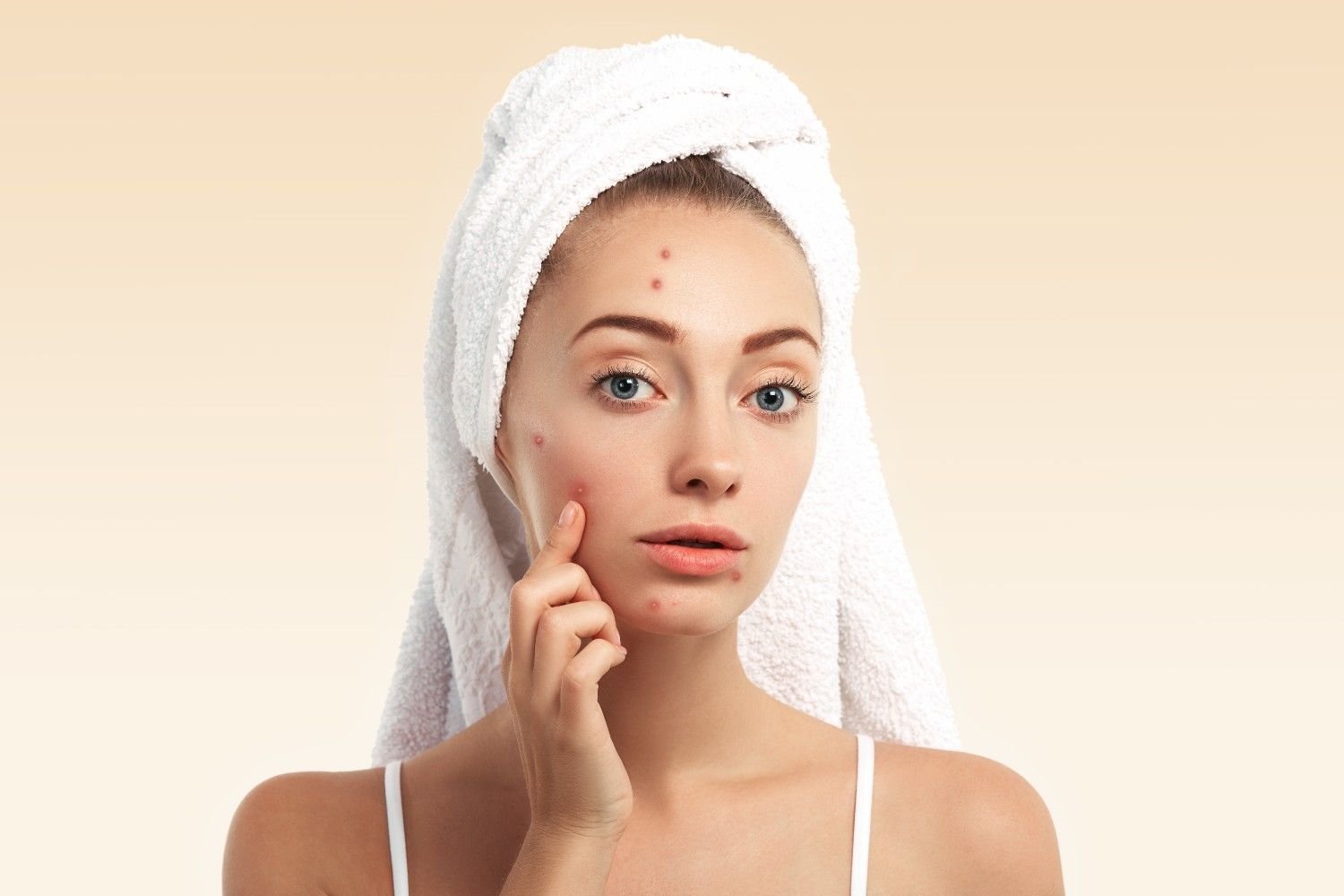
Acne is one of the most common skin conditions in the world, yet it remains widely misunderstood. Many people assume it is simply caused by dirty skin or eating too much chocolate, but the reality is far more complex. Acne develops from a combination of internal and external factors that affect how your skin produces oil, sheds dead cells, and responds to bacteria.
Understanding what really causes acne is the first step toward managing it effectively and achieving clearer, healthier skin.
Hormones: The Biggest Trigger
One of the primary causes of acne is hormonal change. Hormones called androgens increase during puberty, which causes the sebaceous (oil) glands in your skin to enlarge and produce more oil. This excess oil can mix with dead skin cells and clog pores, leading to pimples, blackheads, and whiteheads.
Hormonal acne is not limited to teenagers. Adults, especially women, may experience breakouts due to menstrual cycles, pregnancy, or conditions like polycystic ovary syndrome (PCOS). These fluctuations can make acne persistent and harder to control, affecting your ability to enhance your natural appearance.
Excess Oil and Clogged Pores
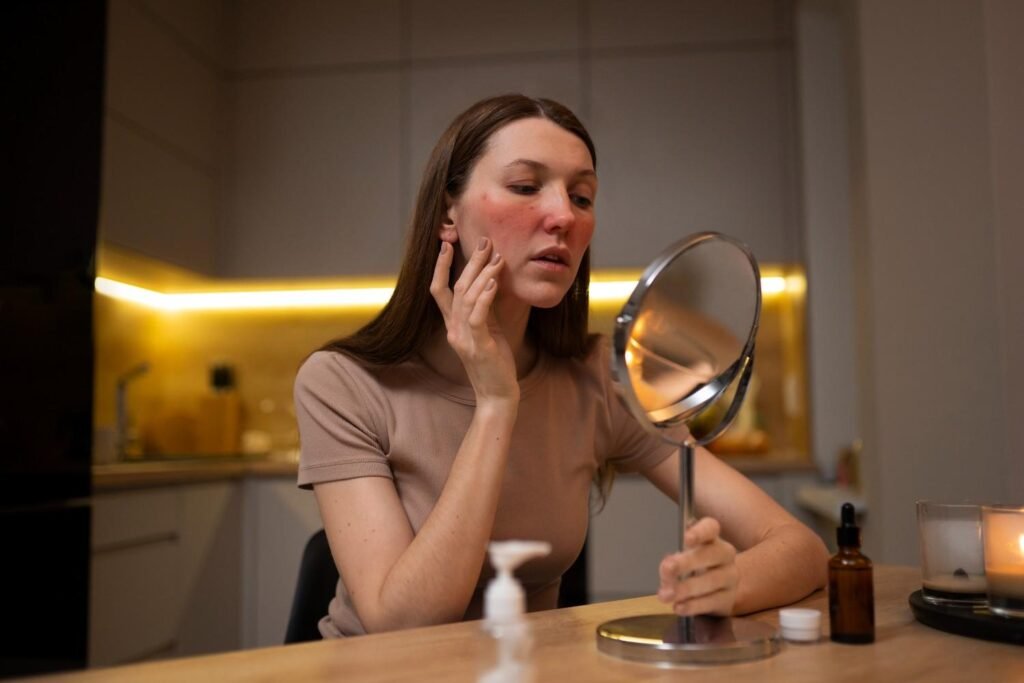
Your skin naturally produces oil (sebum) to stay hydrated and protected. However, when too much oil is produced, it can trap dead skin cells inside pores. This creates the perfect environment for acne to develop.
When pores become clogged, bacteria known as Cutibacterium acnes can multiply rapidly. The body’s immune response to this bacterial buildup causes redness, swelling, and inflammation—resulting in the pimples we see on the surface.
Diet and Lifestyle Factors
While diet alone does not directly cause acne, it can influence its severity. Foods with a high glycemic index—such as sugary snacks, white bread, and processed foods—can trigger spikes in blood sugar and insulin levels, which may increase oil production.
Dairy products have also been linked to acne in some individuals, though the connection is still being studied. Additionally, a lack of sleep, high stress levels, and poor hydration can all contribute to skin imbalance and worsen breakouts.
Stress and Its Hidden Impact
Stress does not directly cause acne, but it can significantly aggravate it. When you are stressed, your body produces more cortisol, a hormone that can increase oil production in the skin. This can lead to more clogged pores and inflammation.
Stress can also affect your habits—such as touching your face more often or neglecting proper skincare routines—both of which can make acne worse over time.
Skincare Mistakes That Make Acne Worse
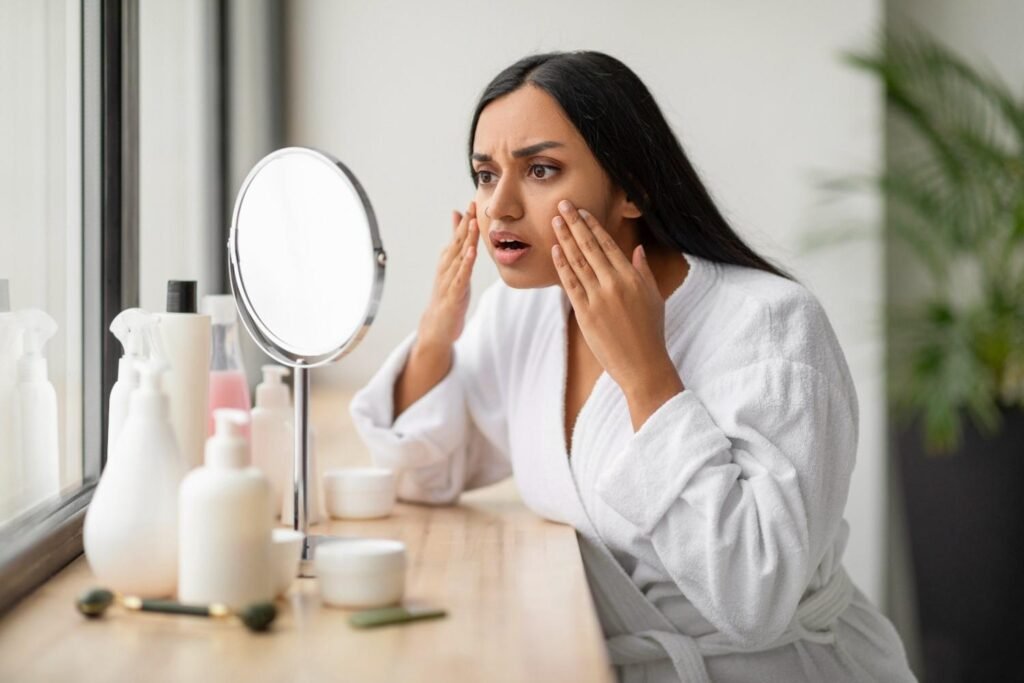
Many people unknowingly worsen their acne through incorrect skincare practices. Over-washing the face, using harsh scrubs, or applying overly drying products can strip the skin of its natural oils. In response, the skin may produce even more oil, leading to more breakouts.
Using non-comedogenic products and maintaining a gentle skincare routine is essential for keeping acne under control. Consistency matters more than aggressive treatment.
Environmental and Genetic Factors
Genetics also play a role in whether someone is prone to acne. If your parents experienced acne, you are more likely to develop it as well. Environmental factors like pollution and humidity can also clog pores and irritate the skin, contributing to breakouts.
Even certain medications or cosmetic products can trigger acne in sensitive individuals.
When to Seek Professional Help
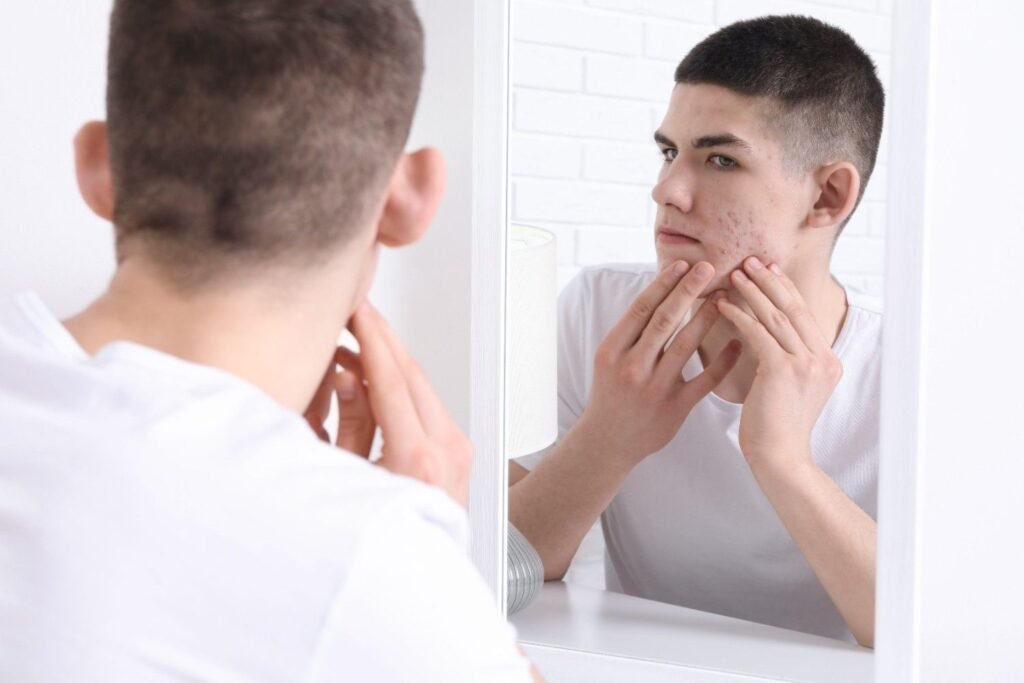
If acne becomes persistent, painful, or emotionally distressing, it may be time to seek professional advice. A skincare specialist can help identify the underlying causes and recommend targeted treatments.
In some cases, consulting a dermatologist in Murray or another qualified skin expert can provide access to prescription treatments, hormonal evaluations, or advanced skincare procedures that are more effective than over-the-counter solutions.
Final Thoughts
Acne is not caused by a single factor—it is the result of a combination of hormones, oil production, lifestyle choices, and genetics. While it can be frustrating, understanding its root causes makes it easier to manage.
With the right skincare routine, healthy habits, and professional guidance when needed, clearer skin is absolutely achievable.