
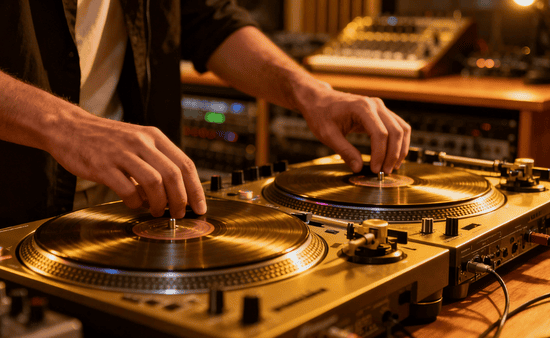
A first controller purchase overwhelms new artists with too many buttons and confusing specifications. Many aspiring DJs waste hard-earned cash on professional features they simply do not need yet. Smart beginners ignore flashy extras and focus on functional tools that build proper mixing habits.
The right dj equipment for a novice includes only what supports actual skill development without unnecessary complexity. A basic controller with two decks and essential sound outputs serves most learners for at least twelve months. This article reveals five critical tips that prevent expensive mistakes during the first purchase decision.
1. Buying a Four-Deck Controller Too Early Slows Progress
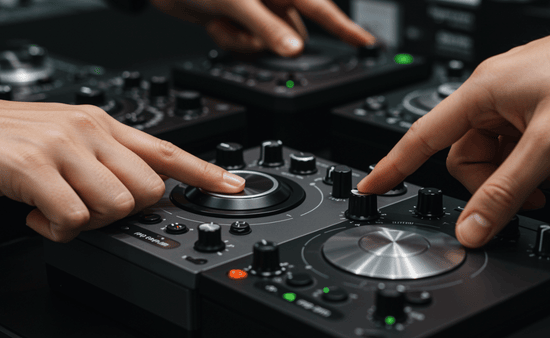
Four-channel controllers tempt new buyers with promises of advanced mixing possibilities down the road. Those extra two decks stay empty during the first six months of consistent practice for most people. A two-deck layout keeps all essential controls within easy reach without hand stretching or eye scanning.
Learning basic transitions becomes harder when the brain processes twice the visual information simultaneously. Four-deck units also cost significantly more money than buying better speakers or headphones instead. Many experienced DJs still perform entire three-hour sets using only two decks comfortably.
2. Ignoring Sound Card Quality Leads to Frustration
Every controller needs an internal audio interface to send sound to speakers and headphones properly. Cheap sound cards introduce noticeable latency between pressing a button and hearing the result through speakers. This delay makes beat matching by ear nearly impossible for someone still learning basic timing skills.
Quality sound cards also provide a clear signal output without static noise or unwanted distortion during loud passages. A controller with poor audio conversion forces a beginner to buy an external sound card later anyway. This error creates frustration that stops practice entirely within the first few weeks.
3. Skipping the Jog Wheel Feel Test Invites Disaster
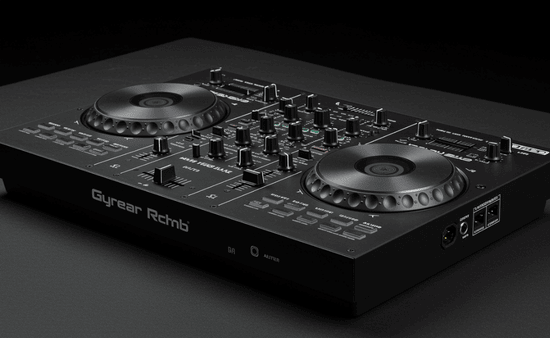
Jog wheels feel different on every controller, and personal preference varies wildly between individual artists. Some wheels spin freely with almost no resistance, while others offer noticeable tension during manual scratching movements. A beginner who skips a physical store visit cannot know which wheel feels best suited to their hands.
Free spinning wheels work well for quick track searching, but feel slippery during precise beat adjustments. Stiffer wheels provide better control for learning manual beat matching without relying on sync buttons. No right or wrong answer exists here, but personal comfort determines practice frequency dramatically.
4. Overlooking Software Compatibility Causes Expensive Mistakes
Different controllers work exclusively with specific software programs that vary dramatically in their learning curve. A beginner must check hardware compatibility with the software interface they find most intuitive to navigate. Free trial versions of each program exist, so testing three options before buying any controller makes sense.
Some software packages charge monthly fees while others offer permanent licenses with the hardware purchase. A controller that seems cheap might require expensive software upgrades within the first few months of use. Popular software choices have more online tutorials, making problem-solving much easier for a lone learner.
5. Choosing Touch Strips Instead of Jog Wheels Hurts Learning
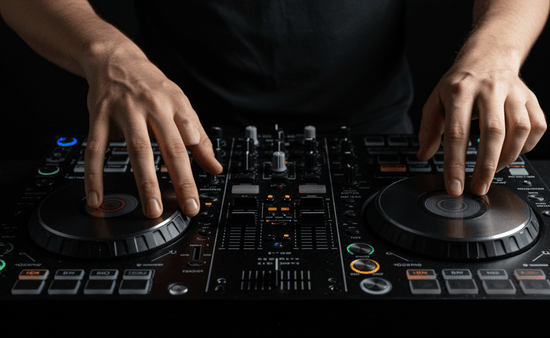
Some modern controllers replace standard spinning jog wheels with flat touch-sensitive strips instead. These strips work for basic track navigation but fail when learning manual beat-matching techniques. A new DJ cannot feel the musical phrase position through a flat surface without physical rotational feedback.
Touch strips also register accidental finger brushes that send tracks jumping to the wrong sections randomly. Spinning wheels provide muscle memory development that transfers to professional club gear later on. Many budget controllers use strips to cut costs, but this saving hurts long-term skill growth significantly.
A smart first controller purchase prioritizes learning ability over impressive specifications or low prices. Quality dj equipment for beginners includes two physical wheels, good sound conversion, and compatible software. New artists who test the wheel feel before buying rarely regret that extra effort during long practice sessions. The right controller disappears under a learner’s hands while the wrong choice creates constant friction every single day.