

An arrest is one of the most disorienting experiences a person can go through. Whether it involves you or someone you care about, the legal process that follows can feel overwhelming—especially if you don’t know what to expect. Each stage carries its own rules, timelines, and decisions that can significantly impact the outcome of a case.
Initial Contact and Arrest
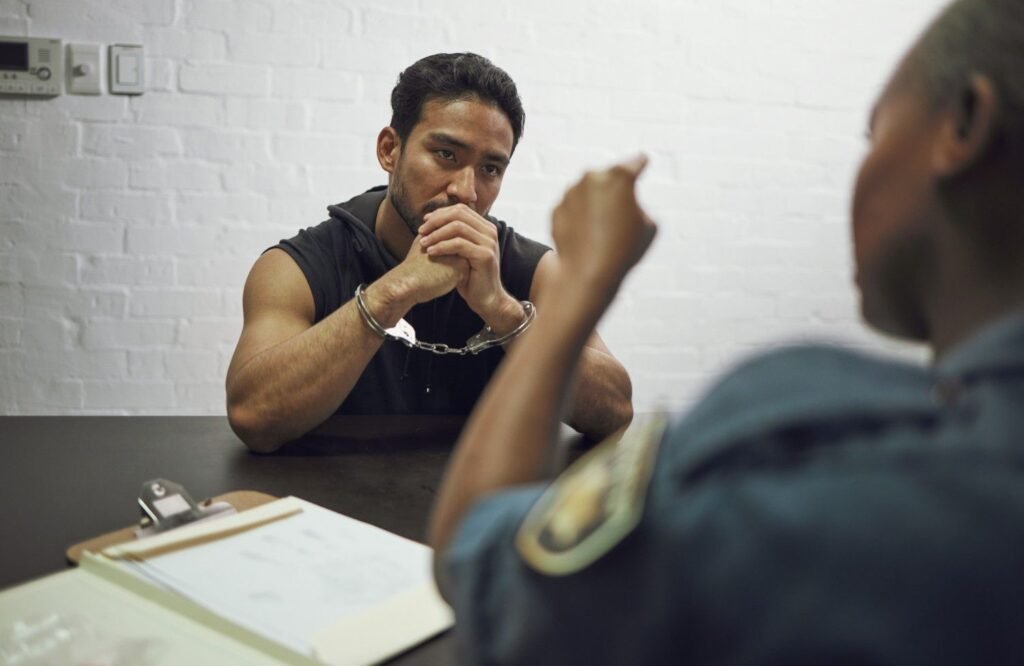
An arrest begins the moment law enforcement determines there is probable cause to believe you’ve committed a crime. This might happen at the scene of an alleged offense, following an investigation, or based on an arrest warrant issued by a judge.
From the moment of arrest, you have rights—and knowing them matters. The Fifth Amendment protects you from self-incrimination, meaning you are not required to answer questions beyond identifying yourself (in states that require it). The Sixth Amendment guarantees your right to an attorney. When police issue a Miranda warning—”You have the right to remain silent…”—they are fulfilling a legal obligation to inform you of these rights before a custodial interrogation.
A simple but important rule: exercise your rights calmly and clearly. State that you wish to remain silent and that you want an attorney. Then stop talking.
Processing and Booking
After an arrest, you’ll be transported to a police station or detention facility for booking. This is a formal administrative process that typically includes:
- Recording your personal information (name, date of birth, address)
- Photographing and fingerprinting
- Documenting the alleged offense
- Checking for outstanding warrants
- Confiscating and inventorying your personal belongings
- A health screening, in many jurisdictions
Booking can take anywhere from one to several hours, depending on how busy the facility is. Once completed, you’ll be placed in a holding cell or transferred to a jail facility to await your initial appearance before a judge.
The Initial Appearance
Most jurisdictions require that an arrested person be brought before a judge within 48 to 72 hours of arrest—often sooner. This first appearance serves several important purposes.
The judge will formally inform you of the charges filed against you, confirm that you understand your rights, and determine whether you qualify for appointed counsel if you cannot afford an attorney. This is also typically when bail is first addressed.
If you haven’t already, this is the moment to seriously consider speaking with a criminal lawyer in Utah. Early legal representation can influence bail decisions, protect you from making statements that harm your case, and set the tone for everything that follows.
Bail and Pretrial Release

Bail is a financial arrangement that allows you to remain free while your case moves through the court role and system. It’s not a punishment—it’s a guarantee that you’ll return for future court appearances.
Judges consider several factors when setting bail:
- The severity of the alleged offense
- Your criminal history
- Your ties to the community (employment, family, length of residence)
- Flight risk—the likelihood that you’ll appear for future hearings
- Potential danger to the public
For minor offenses, you may be released on your own recognizance (ROR), meaning no money is required—just a promise to appear. For more serious charges, bail may be set at a significant amount, require a bail bondsman, or be denied entirely.
If bail is set and paid, you’ll be released with conditions. These often include restrictions on travel, no-contact orders, or regular check-ins with a pretrial services officer.
Arraignment and Plea Options
The arraignment is your first formal court hearing in the legal process. Here, the charges against you are read aloud, and you are asked to enter a plea. You have three options:
- Guilty: You admit to the charges. Sentencing will follow, either immediately or at a later hearing.
- Not Guilty: You deny the charges. The case proceeds toward trial or a potential plea agreement.
- No Contest (Nolo Contendere): You neither admit nor deny guilt but accept the punishment. This plea cannot be used against you in a subsequent civil case.
Most defendants plead not guilty at arraignment, even if they intend to negotiate a plea deal later. This preserves your options and gives your attorney time to review the evidence, assess the strength of the prosecution’s case, and explore alternatives to trial.
Preliminary Hearings and Grand Juries
Before a case goes to trial, the state must demonstrate that sufficient evidence exists to prosecute you. Depending on the jurisdiction and the nature of the charge, this happens through one of two mechanisms.
Preliminary hearings are held before a judge. The prosecution presents evidence and witnesses; your attorney can cross-examine them. The judge then decides whether probable cause exists to proceed to trial. This is an opportunity for the defense to challenge weak or improperly obtained evidence early in the process.
Grand juries are used in federal cases and some state felony prosecutions. A panel of citizens reviews evidence presented by the prosecutor—without the defense present—and votes on whether to issue an indictment. If they do, the case moves forward. If not, charges may be dropped or reduced.
Neither a preliminary hearing nor a grand jury proceeding is a trial. No verdict is reached. The only question being answered is whether there’s enough evidence to justify putting the case before a jury.
The Importance of Legal Counsel

Every stage described above involves decisions that carry real consequences. What you say during booking, how bail is argued, which plea you enter, and how evidence is challenged at a preliminary hearing—all of it shapes the outcome of your case.
An experienced attorney does more than argue in court. They review police reports for procedural errors, negotiate with prosecutors, advise you on the realistic risks and benefits of each option, and advocate for your rights at every turn. Research consistently shows that defendants with legal representation achieve significantly better outcomes than those who represent themselves.
If you cannot afford a private attorney, you have the constitutional right to a public defender. While public defenders often carry heavy caseloads, they are trained lawyers who understand the system. Use them.
The earlier you engage legal counsel, the better positioned you are—regardless of the charges you face.
Conclusion
The legal system moves on its own timeline, with its own language and logic. For someone experiencing it for the first time, that can feel isolating. But the process is structured, and each stage gives you—and your attorney—opportunities to respond, challenge, and advocate.