

Before scheduling RF microneedling, ask what recovery could mean for your work, exercise, and skin care routine. Downtime and aftercare depend on the treatment and your individual needs. A consultation should cover those practical details as well as the potential benefits, risks, and symptoms that warrant contacting your provider.
That planning matters. RF microneedling creates controlled micro-injuries and delivers thermal radiofrequency energy beneath the skin, which means the face or treatment area needs time to respond, calm down, and begin remodeling. If you know what to expect, you can avoid unnecessary irritation, reduce the chance of complications, and make the recovery period feel manageable instead of disruptive.
Why Recovery Planning Matters More Than Most Patients Expect
A common mistake is assuming recovery from RF microneedling is a minor version of surface microneedling. In reality, the deeper energy delivery changes the aftercare conversation. The skin may look and feel sunburned, tight, or swollen for a short period, and pinpoint crusting or micro-crusting can develop as the treated channels heal.
At Barr, the goal is not to overstate downtime, but to help patients plan realistically. Visible recovery often lasts about 2 to 4 days, while full surface recovery can take roughly a week. That timeline is useful because it tells you when you may feel socially presentable, when you can safely resume normal routines, and when your skin should still be treated gently.
The bigger strategic point is this: recovery is not just about appearance. It is part of the treatment outcome. The healing cascade is what supports collagen and elastin remodeling, so the way you handle the first week can influence comfort, consistency, and overall satisfaction.
The First 48 Hours Set the Tone
The first two days usually deserve the most respect. This is when redness, swelling, and tenderness are most likely to be noticeable. The treated skin is not fragile in a dramatic sense, but it is reactive, and overdoing it can prolong irritation.
That is why patients are typically advised to avoid strenuous exercise and hot environments for at least 48 hours after treatment—much like the standard aftercare guidelines following lip enhancement in Sydney. Heat, sweat, and friction can aggravate inflammation and make the skin feel more uncomfortable than it needs to be. Even if the treatment area looks improved by day two, the internal healing process is still underway.
How to Schedule Work Without Overcommitting Your Face

Work planning should be based on visibility, comfort, and your own professional setting. Someone who works from home may be able to return sooner than someone who spends the day in meetings or client-facing roles. The issue is not whether you can function, but whether you feel comfortable doing so while the skin is still red or slightly swollen.
A sensible approach is to treat the first 2 to 4 days as a low-pressure window. If your job allows remote work, that can be the simplest option. If you must be on site, consider scheduling treatment before a weekend or a lighter work period. That gives the skin time to settle before you are expected to be highly visible.
Barr patients often find it helpful to ask one basic question before booking: “When do I need to look my most polished again?” The answer matters more than the calendar date alone. If you have presentations, photos, travel, or important events, build a buffer rather than assuming you will feel camera-ready the next morning.
What “Back to Work” Usually Means in Practice
Back to work does not always mean back to full visibility. Many people feel comfortable resuming standard responsibilities quickly, but still prefer to keep the schedule lighter for a few days. That distinction is useful because it helps you avoid disappointment.
Consider a few practical scenarios:
- If you work remotely, you may be able to return while still mildly red.
- If you have an office role with limited public interaction, a short recovery window may be enough.
- If you are in a client-facing or media-heavy role, you may want extra time for redness and swelling to fade.
- If you have an event within a few days, book the procedure earlier so you are not forced to rush healing.
That kind of planning is part of what makes treatment at Barr feel more controlled and less disruptive.
Exercise, Sweat, and Heat: The Recovery Rules That Matter Most

Exercise is one of the easiest recovery rules to underestimate because it feels healthy. After RF microneedling, though, sweat and elevated body temperature can be counterproductive early on. Strong workouts can increase flushing, discomfort, and irritation, especially while the skin is still warm and sensitive.
For that reason, strenuous exercise should generally be avoided for at least 48 hours after treatment. That includes activities that create heavy sweating, rapid heat buildup, or repeated rubbing against the treated area. The issue is not simply vanity. Sweat can sting, and heat can intensify swelling when the skin is already processing controlled injury.
Hot yoga, saunas, steam rooms, and similar environments deserve the same caution. Even if you feel fine, the skin may not appreciate that level of heat exposure yet. A shorter, calmer recovery period is usually better than trying to force normal activity too soon.
A Better Recovery Approach for the First Few Days
Instead of aiming for a full routine immediately, think in stages.
- Day 1: prioritize rest, hydration, and gentle cleansing.
- Days 2 to 3: keep activity light and avoid overheating.
- Days 4 to 7: gradually return to your normal routine if your skin is settling well.
- After that: resume your regular skin and exercise habits as directed by your provider.
This kind of pacing is not restrictive for its own sake. It helps the skin heal cleanly and reduces the temptation to test boundaries before the tissue is ready.
Skin Care Should Be Simple, Not Aggressive
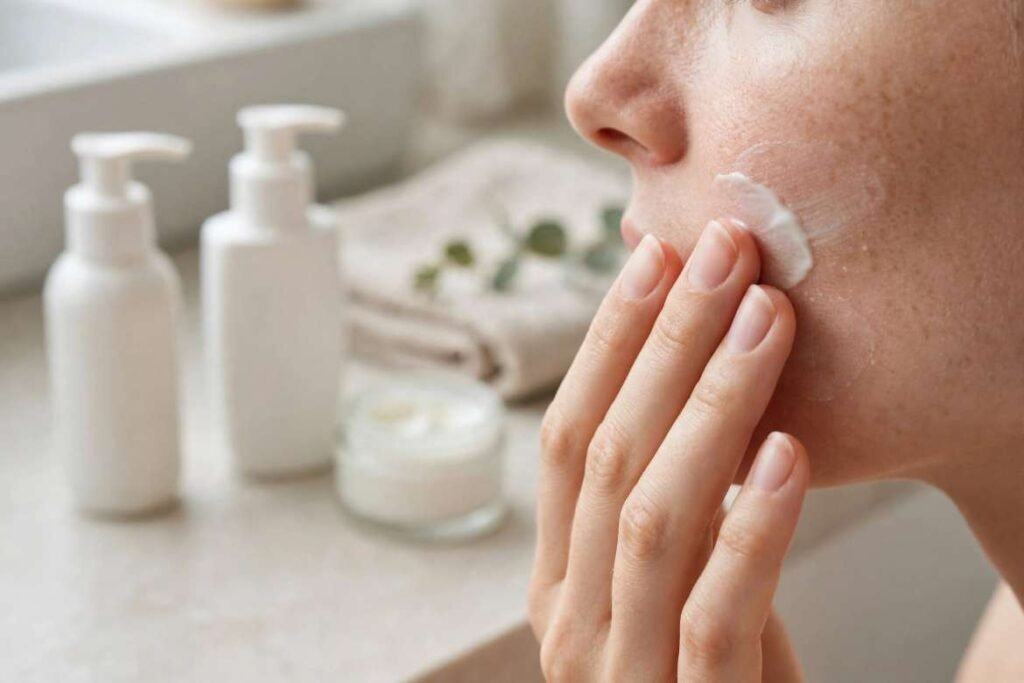
After RF microneedling, the best skin care strategy is usually restraint. This is not the time for strong acids, abrasive exfoliation, or an ambitious new routine. The skin needs support, not experimentation.
A clean, gentle approach is usually the smartest one. Use mild cleansing, avoid unnecessary rubbing, and follow the post-care instructions provided by your clinician. If your skin feels dry or tight, that is common in the early recovery stage. The goal is to protect the barrier while the surface settles and the deeper remodeling continues.
At Barr, this is also where individualized guidance matters. The right post-treatment routine can vary based on the area treated, skin sensitivity, and how aggressively the energy settings were used. That is one reason patients searching for Morpheus8 in Salt Lake City often benefit from a provider-led plan rather than a generic aftercare checklist.
What to Avoid Until the Skin Has Settled
There are several common mistakes that can complicate recovery:
- Picking at pinpoint crusting or flaking skin
- Using scrubs, retinoids, acids, or exfoliating devices too early
- Applying makeup before the skin is ready
- Exposing the area to intense sun without proper protection
- Using hot water or aggressive cleansing methods
- Returning to heavy workouts before 48 hours have passed
These are small decisions, but they matter. Irritated skin does not remodel better just because you push through discomfort. It usually heals more cleanly when you give it a calmer environment.
Safety, Realistic Expectations, and Why Provider Skill Matters
RF microneedling is widely valued because it can improve texture, tone, pores, fine lines, acne scarring, and mild-to-moderate laxity with less downtime than surgery. Still, it is a medical procedure, and that means the recovery discussion should include risks as well as benefits—a balance any reputable skin clinic in Sydney for expert dermatological care will walk you through before treatment.
Temporary redness, swelling, and pinpoint crusting are expected possibilities. Less common but more serious risks can include burns, scarring, pigment changes, nerve injury, and unwanted fat loss. Those risks are one reason treatment depth, energy levels, and anatomical precision matter so much. A provider must know when to be conservative and when deeper delivery is appropriate.
That is also where Barr’s clinical approach is relevant. The team’s value is not simply in offering the device, but in tailoring treatment to the patient, the area, and the likely recovery pattern. Good outcomes depend on matching settings to the skin rather than applying a one-size-fits-all protocol.
The Recovery Mindset That Produces Better Outcomes
The most successful patients usually treat recovery as part of the procedure, not an inconvenience attached to it. That means planning work around the first few days, pausing exercise long enough for inflammation to settle, and keeping skin care simple until the surface recovers.
It also means staying patient with results. Some initial softness and glow may appear within 2 to 3 weeks, but deeper collagen remodeling and tightening continue over 3 to 6 months. That timeline is important because it keeps expectations grounded. The early phase is about healing. The later phase is where the structural changes become more noticeable.
Barr’s role is to help patients navigate both phases with clarity. If you are considering treatment and want a more realistic sense of timing, comfort, and aftercare, schedule a consultation and build your plan before the treatment date rather than after it.