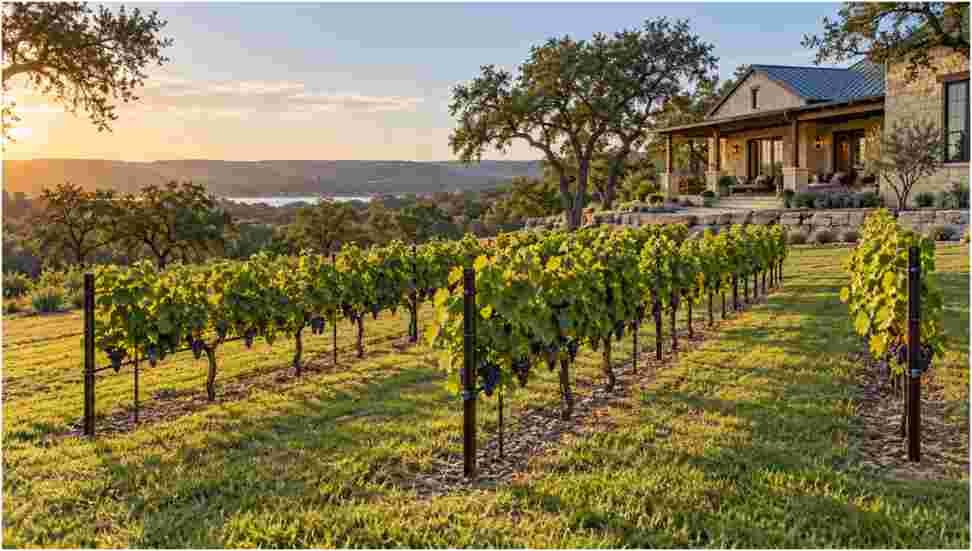
A residential vineyard begins with site suitability and a realistic plan for care. Rows of vines can look attractive, but successful establishment depends on conditions and ongoing work that need assessment before construction. Clarify whether the goal is landscape interest, personal grape production, or another use.
Ask a qualified local professional to evaluate relevant site factors, including soil, drainage, exposure, water availability, and suitable varieties. Do not assume that a nearby vineyard proves a particular property will perform similarly. Small differences in conditions can matter.
Plan the operating work before the installation
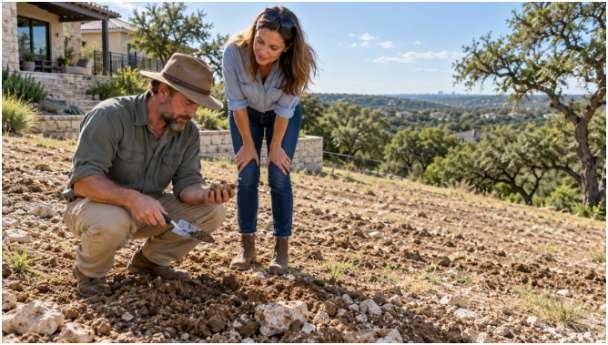
Discuss access for pruning, maintenance, irrigation, and harvest. Trellis layout and support details should fit the selected plants and site. Ask how wildlife, disease, and seasonal care will be managed, and what knowledge the owner will need.
When researching vineyard construction options in Austin, distinguish design and installation from continuing horticultural management. Clarify who advises on plant selection and whether the plan includes establishment support. Check any applicable restrictions before committing to the layout or intended use. A useful vineyard plan explains both what will be built and what the owner must do afterward. That makes it easier to judge whether the project fits the property’s conditions and the household’s willingness to manage it over time.
Ask for a seasonal task outline before committing to the vineyard. It should explain the kinds of work the owner or service provider will need to manage and where specialist advice is important. The goal is to understand the commitment, not to treat a brief outline as a complete growing manual. Discuss what happens if the owner cannot perform the expected work for a period. Identify who can help and whether the site remains accessible to them. Keep plant, irrigation, and trellis information with the property records.
Read the site before choosing features
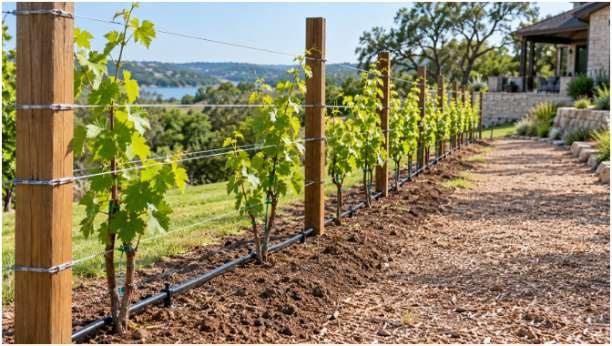
Spend time observing the property under ordinary conditions. Notice where people walk, where water collects, which areas receive strong afternoon sun, and how equipment reaches the yard. A design that overlooks these details may be attractive on paper but inconvenient to use.
Existing trees, utilities, drainage routes, and access restrictions can shape what is practical. Share known property information with the designer and ask which conditions need field verification. Do not assume a boundary shown in an informal sketch is a surveyed property line. Clarifying these constraints early helps avoid placing improvements where they interfere with other needs.
Discuss construction and long-term care together
The installation budget is only part of the decision. Ask what the landscape will require during establishment and after it matures. For instance, while chat gravel can be used for paths as an affordable, easy-to-install material, routine watering, pruning, cleaning, seasonal service, and replacement needs affect both cost and daily effort. An elaborate feature may be a poor fit if nobody has time to maintain it.
Construction sequencing matters, too. Heavy equipment can damage finished surfaces or compact soil. Underground work may need to happen before paving and planting. Have the project team explain the sequence and identify anything that should be prepared now for a later phase. This can reduce avoidable disruption without committing to every feature immediately.
Questions to include in the plan
- How will the area be used during a normal week?
- Where will runoff go after the work is complete?
- What maintenance will the owner handle personally?
- Which existing plants or surfaces need protection?
- What access will future repairs and seasonal service require?
Check the plan against everyday use
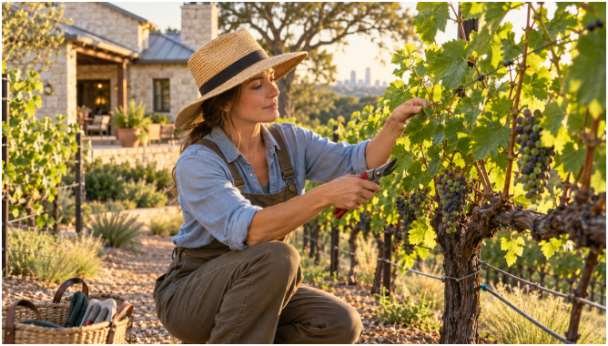
Imagine carrying groceries outside, moving furniture, bringing a hose through the space, or taking equipment to the far side of the property. While well-planned outdoor layouts certainly help boost your home’s property value, these small routines expose narrow passages, awkward storage, and poorly placed obstacles that affect daily usability. Review the design with everyone who regularly uses or maintains the yard.
Before construction, confirm which drawings and selections are approved and how changes will be documented. After installation, request care instructions and information about installed components. Keep a record of underground routes when available. The most useful landscape plan accounts for how the property will function, how it will be maintained, and how it can adapt when household needs change.
Photographs taken at different times of day can help explain conditions that are hard to capture during one site visit. Label them with the location and the issue you want to discuss. If the work crosses seasons, ask which decisions depend on weather, planting conditions, or material availability.
A proposed calendar should account for those dependencies rather than simply naming a completion date. Keep future access in mind so a later service visit does not require dismantling a finished part of the landscape.
Ask Southern Landscape about a vineyard site assessment and the installation and ongoing care your project would require.