
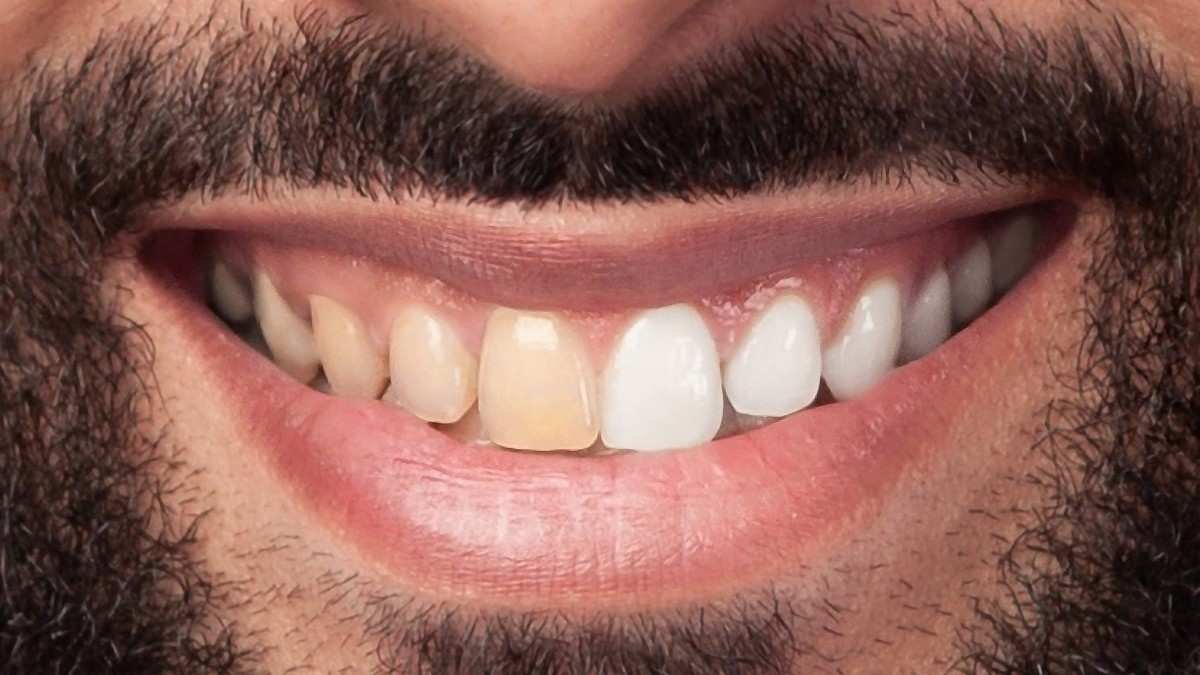
A bright smile is a sign of good health and confidence, but everyday habits can gradually dull your teeth without you noticing. Tooth staining doesn’t happen overnight—it develops over time through repeated exposure to certain foods, drinks, and lifestyle factors.
Knowing what causes stains is key to protecting your smile and maintaining a brighter appearance. If you’re considering teeth whitening, understanding how daily habits impact tooth color can also help preserve and extend your results.
Drinking Dark-Colored Beverages
Frequent consumption of dark-colored drinks is a common cause of tooth staining. Beverages like coffee, tea, red wine, and certain sodas contain pigments that easily stick to tooth enamel. Over time, these pigments settle into tiny pores in the enamel, leading to yellow or brown discoloration.
Drinking these beverages throughout the day increases exposure and the likelihood of staining. Even lighter teas and flavored drinks can contribute if consumed often. Rinsing your mouth with water after drinking can help minimize staining.
Poor Oral Hygiene Routines
Neglecting regular brushing and flossing allows plaque to accumulate on teeth, attracting stains and making discoloration more visible. Once plaque hardens into tartar, it becomes much harder to remove without professional cleaning. Maintaining consistent oral hygiene is key to keeping teeth clean and bright. Brushing twice daily and flossing once a day help eliminate surface stains before they penetrate deeper into the enamel.
Smoking and Tobacco Use

Tobacco products are a major cause of tooth discoloration. Nicotine and tar can stain teeth yellow or brown in a short amount of time. Smoking also weakens enamel, making teeth more prone to stains from other sources. In addition to cosmetic issues, tobacco harms overall oral health. Reducing or quitting tobacco use can significantly improve tooth color and gum health over time.
Frequent Consumption of Sugary Foods
Sugary foods contribute to plaque by feeding the bacteria in your mouth. While sugar itself doesn’t stain teeth, the plaque it helps create makes it easier for pigments from food and drinks to latch on. Limiting your sugar intake and practicing good oral hygiene after eating sweets can help protect your enamel and prevent discoloration.
Acidic Foods and Drinks
Acidic foods like citrus fruits, tomatoes, and vinegar-based dressings can weaken enamel when consumed often. Acid erosion thins the enamel, exposing the yellow dentin beneath and making teeth more prone to staining. However, acidic foods don’t need to be completely avoided. Eating them in moderation, rinsing with water afterward, and waiting before brushing can help reduce enamel damage.
Certain Medications
Certain medications can discolor teeth over time. Liquid medicines, particularly those used often, may contain ingredients that stain tooth enamel. Other medications can cause dry mouth, which reduces the saliva needed to wash away stain-causing particles. To counteract these effects, stay hydrated and maintain a consistent dental care routine.
Inconsistent Dental Visits
Regular dental cleanings remove surface stains that brushing can’t address. Skipping these visits allows stains and plaque to build up, leaving teeth looking dull or discolored. Cleanings also help identify habits that cause staining, giving you the chance to adjust before discoloration becomes more severe.
How Whitening Can Help Restore Confidence

Even with careful habits, some staining is unavoidable. Over time, your enamel naturally absorbs pigments, leading to discoloration that’s difficult to remove at home. Whitening treatments are designed to safely and effectively lift these stains and restore brightness. Professional teeth whitening in Orem can address stains caused by years of everyday habits and help you maintain a confident smile.
Simple Steps to Reduce Staining
Being aware of your habits is a powerful tool. Simple practices like drinking water after meals, brushing regularly, limiting tobacco use, and scheduling routine dental cleanings all contribute to a brighter smile. Small adjustments in your daily routine can make a noticeable difference over time.
Protecting your teeth from staining isn’t about perfection—it’s about balance, consistency, and understanding how your habits affect your smile.
Conclusion
Being one of most common dental crises, tooth staining usually happens over time not all at once. By identifying the daily habits that cause discoloration, you can protect your enamel and keep your smile bright. Good oral hygiene, combined with mindful lifestyle choices, supports long-term dental health and a more confident smile. With the right habits and care, maintaining that brightness is both simple and sustainable.