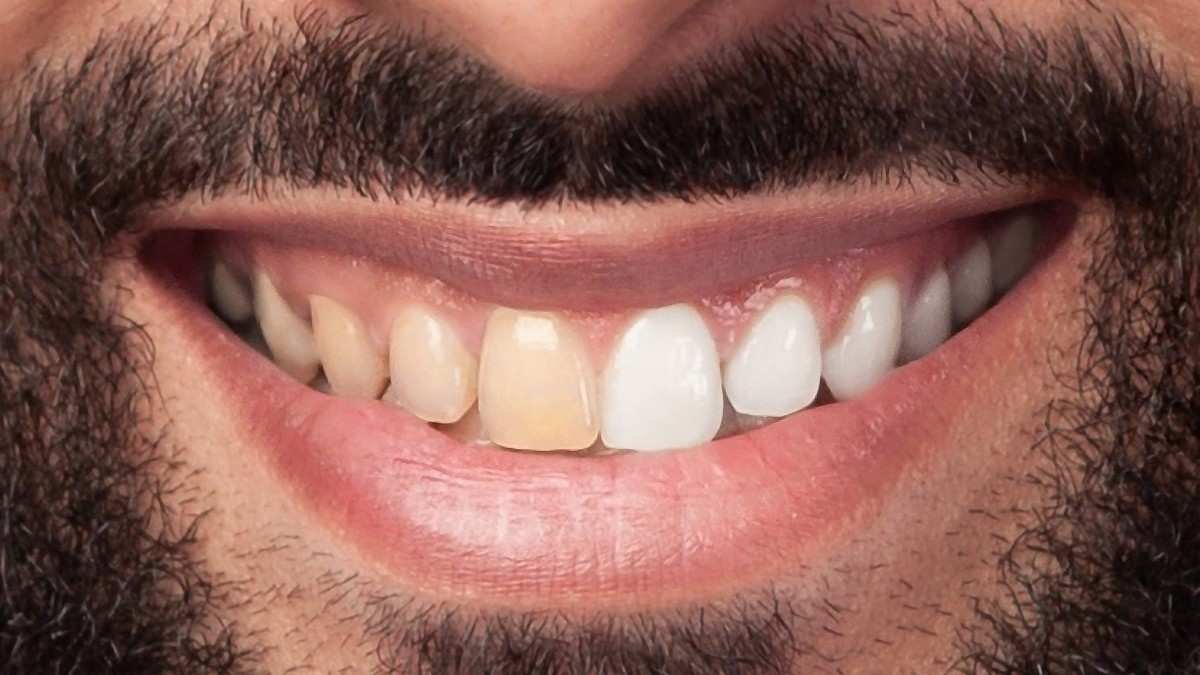

We often treat our mouths as separate entities from the rest of our bodies. We go to a general practitioner for our heart or lungs, and a dentist for our teeth, rarely considering how the two might overlap. But the reality is that your mouth is the gateway to your body, and the state of your oral health offers a window into your overall wellness.
Understanding the Oral-Systemic Link
The concept of the “oral-systemic link” refers to the connection between oral health and general health. The mouth is naturally full of bacteria. Most of these bacteria are harmless and can be kept in check with good oral hygiene practices, such as brushing and flossing. However, without proper oral hygiene, bacteria can reach levels that might lead to oral infections, such as tooth decay and gum disease.
Furthermore, certain medications—like decongestants, antihistamines, painkillers, diuretics, and antidepressants—can reduce saliva flow. Saliva washes away food and neutralizes acids produced by bacteria in the mouth, protecting you from microbes that multiply and lead to disease.
When harmful bacteria grow out of control, they can cause inflammation and infection in the gums. This inflammation doesn’t always stay local. The bacteria associated with periodontitis (severe gum disease) can enter the bloodstream, potentially aggravating health conditions elsewhere in the body. This systemic inflammation is the core mechanism linking poor oral health to major chronic diseases.
Common Oral Health Problems in Older Adults
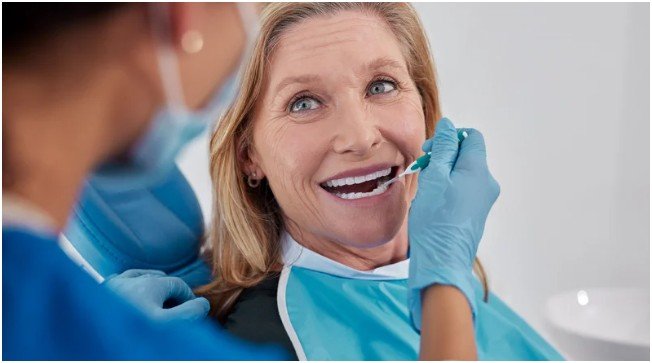
Aging brings specific challenges to dental health. Nerves in the teeth can become smaller, making teeth less sensitive to cavities or other problems. By the time you feel pain, it might be too late to save the tooth. Here are some of the most frequent common dental issues faced by seniors:
Gum Disease (Periodontitis)
This is a serious gum infection that damages the soft tissue and, without treatment, can destroy the bone that supports your teeth. It is a leading cause of tooth loss in older adults and is often painless until it reaches an advanced stage.
Dry Mouth (Xerostomia)
Reduced saliva flow is a common side effect of hundreds of medications and certain medical treatments like radiation. Saliva is essential for neutralizing acids and washing away food particles. Without enough of it, the risk of tooth decay and gum infection skyrockets.
Tooth Loss and Decay
Decades of use can lead to wear and tear. Older fillings may weaken and crack, creating rough edges that harbor bacteria. Root decay is also common in older adults because gums often recede, exposing the tooth roots to decay-causing plaque acids.
The Impact of Oral Health on Chronic Diseases

The stakes of poor oral hygiene get higher as we age because the correlation with serious chronic conditions becomes stronger.
Diabetes
The relationship between diabetes and gum disease is a two-way street. People with diabetes are more susceptible to severe gum disease because diabetes reduces the body’s resistance to infection. Conversely, severe gum disease may have the potential to affect blood glucose control and contribute to the progression of diabetes. Research suggests that treating gum disease can help improve blood sugar control in patients living with diabetes.
Heart Disease
While the exact nature of the cause-and-effect relationship is still being studied, there is a statistical link between heart disease and gum disease. Some theories suggest that inflammation in the mouth causes inflammation in the blood vessels, which can increase the risk of a heart attack or stroke.
Respiratory Infections
This is a risk often overlooked. If you have gum disease, you are constantly breathing in bacteria from your mouth into your lungs. For older adults, especially those with compromised immune systems or who are bedridden, this can increase the risk of respiratory infections like pneumonia.
Tips for Maintaining Oral Health as You Age

Protecting your oral health is an investment in your future self. It requires adapting your routine to meet the changing needs of your body.
- Stick to the Basics: Brush twice a day with fluoride toothpaste and floss daily. If arthritis makes holding a toothbrush difficult, consider using an electric toothbrush, which does much of the work for you and has a larger handle that is easier to grip.
- Manage Dry Mouth: If you take medications that cause dry mouth, drink plenty of water and chew sugar-free gum to stimulate saliva production. Talk to your doctor about artificial saliva products if natural remedies aren’t enough.
- Watch Your Diet: Nutrition plays a huge role. Calcium and Vitamin D are essential for strong teeth and bones. Limiting sugary snacks and acidic drinks helps prevent decay.
- Regular Dental Visits: Don’t wait for pain to visit the dentist. Regular check-ups can catch problems like oral cancer or gum disease in their early, treatable stages.
The Role of Dentures and Implants
For many seniors, maintaining natural teeth isn’t always possible. However, modern dentistry offers solutions that do more than just fill the gaps—they restore function and health.
Missing teeth can lead to a restrictive diet, often forcing older adults to choose soft, processed foods over nutritious, crunchy fruits and vegetables. This dietary shift can lead to nutritional deficiencies.
Dentures are a common solution, but they require care. Poorly fitting dentures can cause irritation and infection, making it painful to eat. Regular adjustments are necessary as the jawbone shape changes over time.
Dental implants in Texarkana, TX, offer a more permanent solution. Because they are anchored into the jawbone, they provide a stable biting force similar to natural teeth, allowing for a varied, healthy diet. Furthermore, implants stimulate the jawbone, preventing the bone loss that typically occurs when teeth are missing.
Conclusion
Your teeth and gums are not just tools for eating; they are indicators of your overall vitality. As you age, the margin for error shrinks, and the body becomes less forgiving of neglect. By prioritizing oral hygiene and maintaining a relationship with your dentist, you aren’t just saving your smile—you are actively protecting your heart, your lungs, and your metabolic health.